
Rose hips?
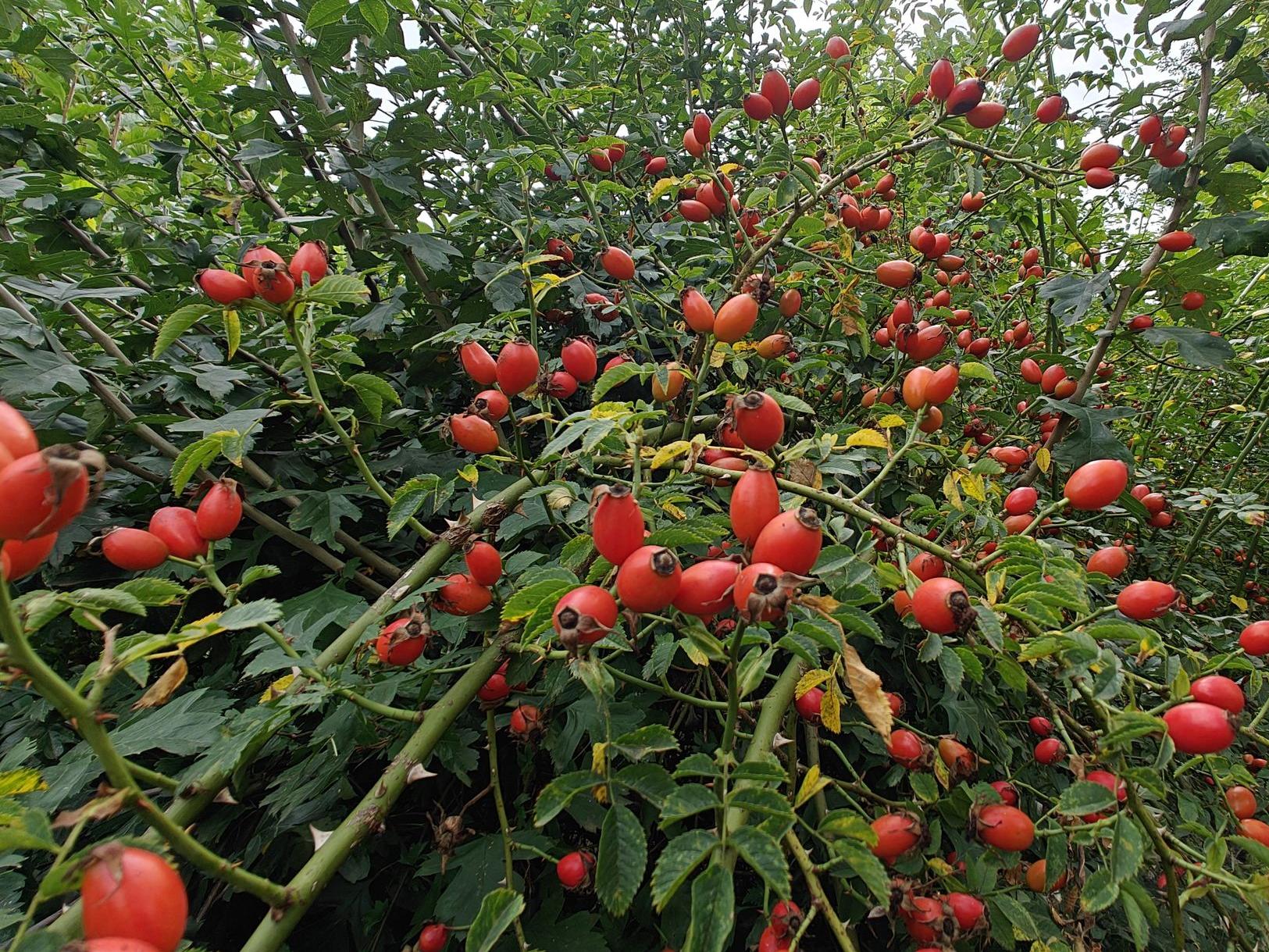
As summer gently fades into autumn, our roses surprise us once again. After the flowers comes another gift: the rose hip. From bright orange to deep purple, in graceful clusters or bold flask shapes, they shine for months. Like little lanterns, they bring colour well into winter.
1. Why Rose Hips Are Special
Ornamental value: they add colour and structure when most plants have already stopped.
-
Ecological value: they provide food for birds and small animals, while the shrubs also shelter insects.
-
Health: rose hips are rich in vitamin C and antioxidants, proven to support immunity and joints.
- Versatility: from groundcovers to climbers, rose hips appear on roses of every shape and size.
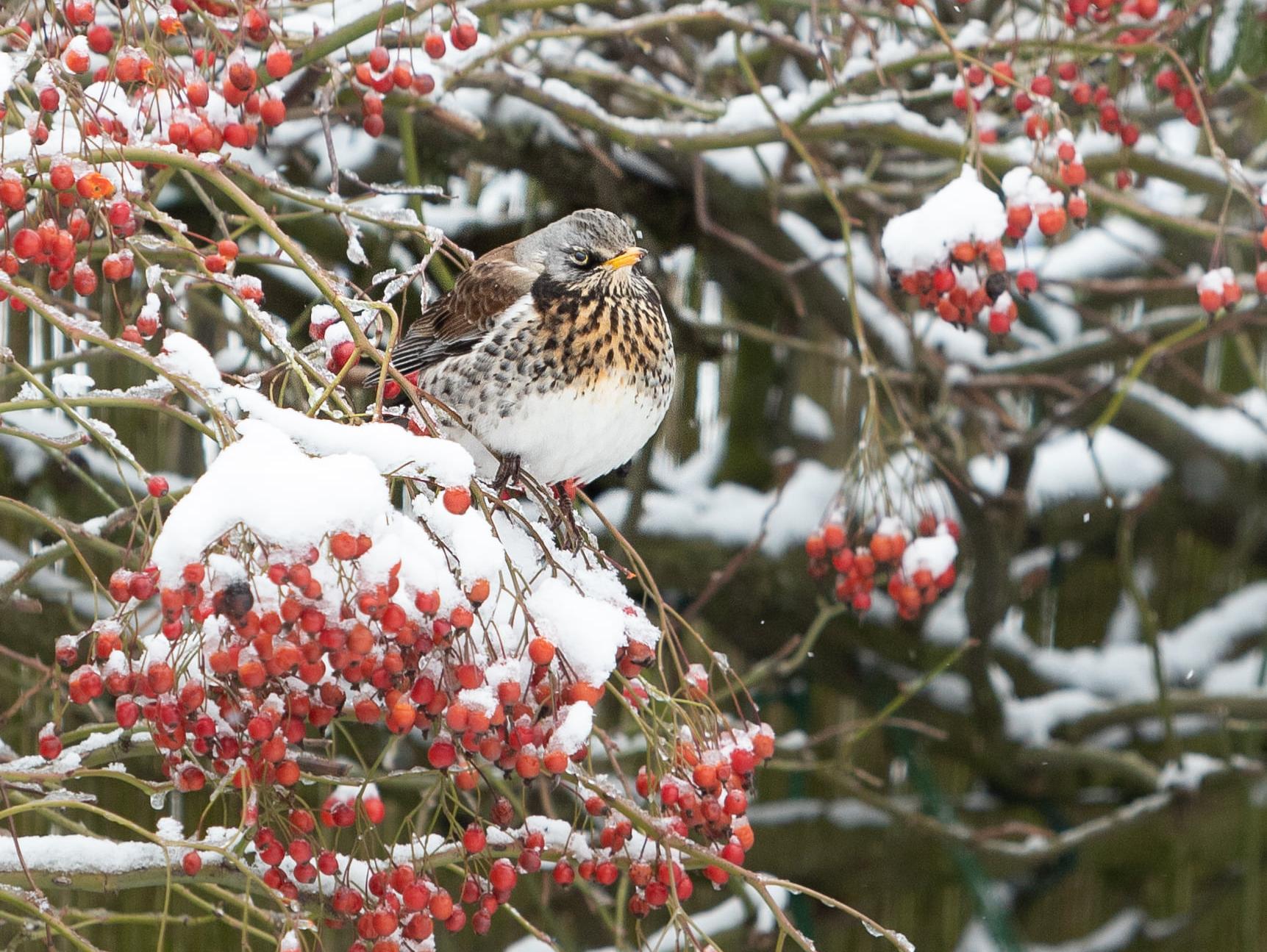 Fieldfare on '
2. A Range of Shapes and Colours
Not every rose produces the same hips. A small selection:
-
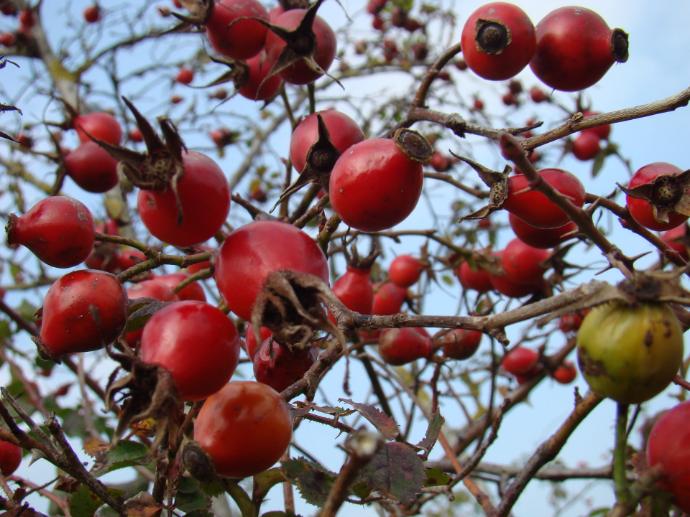
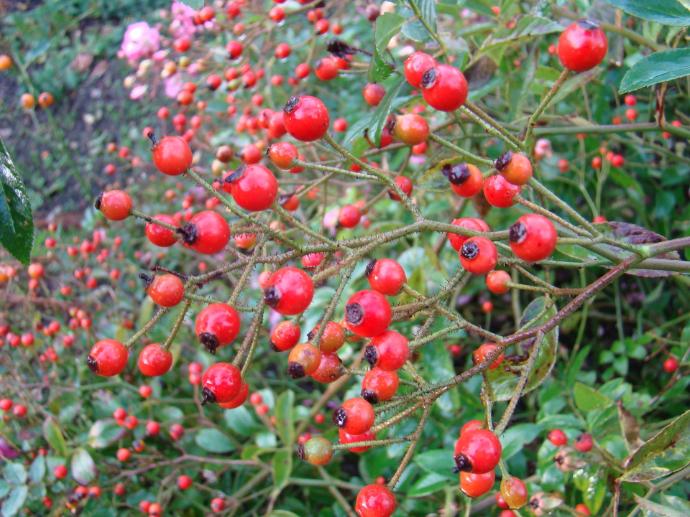
R. canina and R. rubiginosa : classic orange-red hips.
-
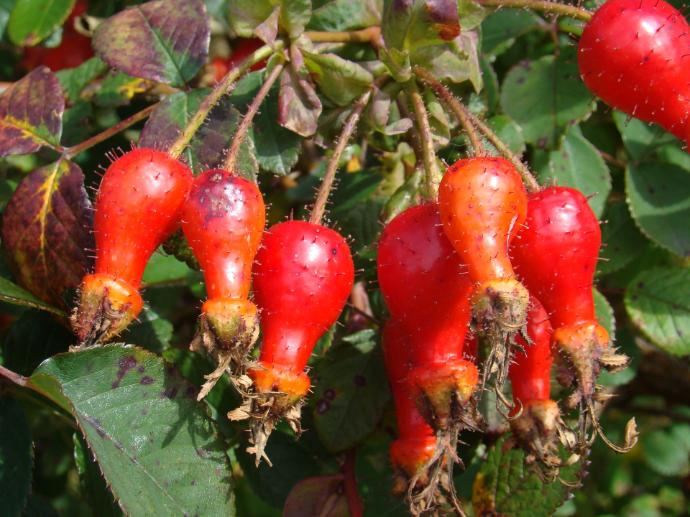
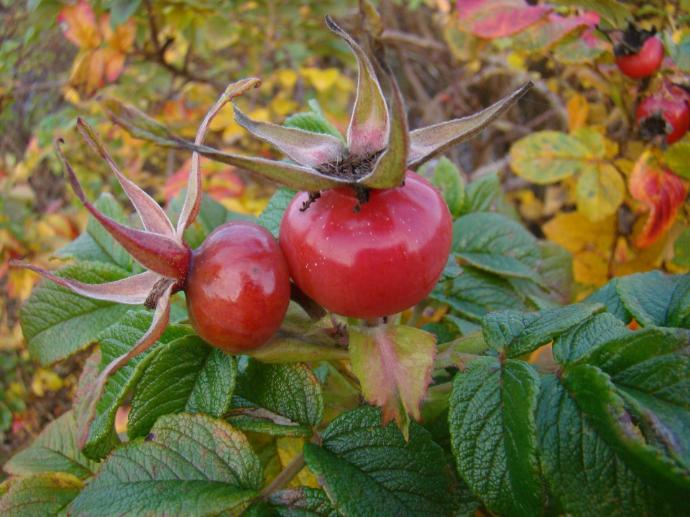
R. moyesii and R. davidii: long, flask-shaped hips.
-
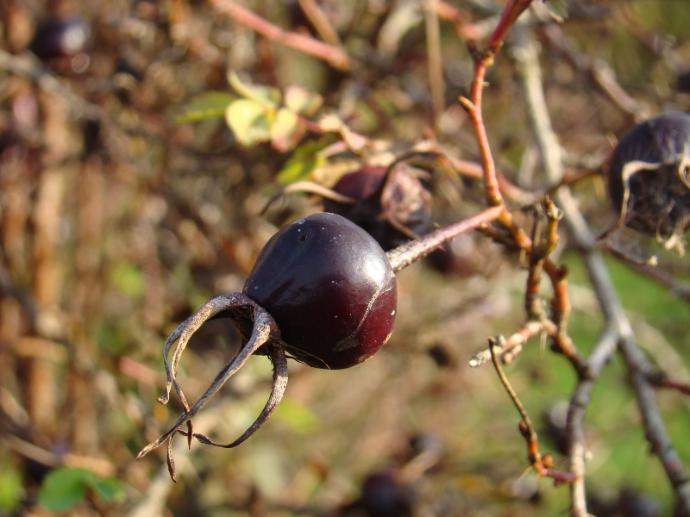
R. kokanica ‘Vacratot’ : rare brownish-purple, almost black.
-
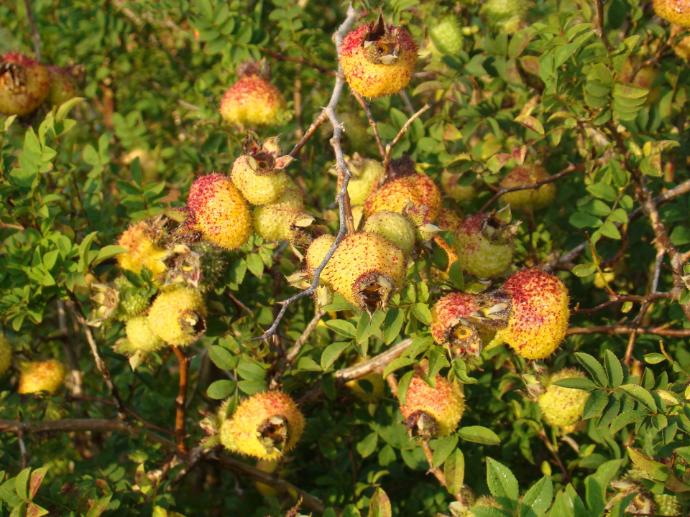
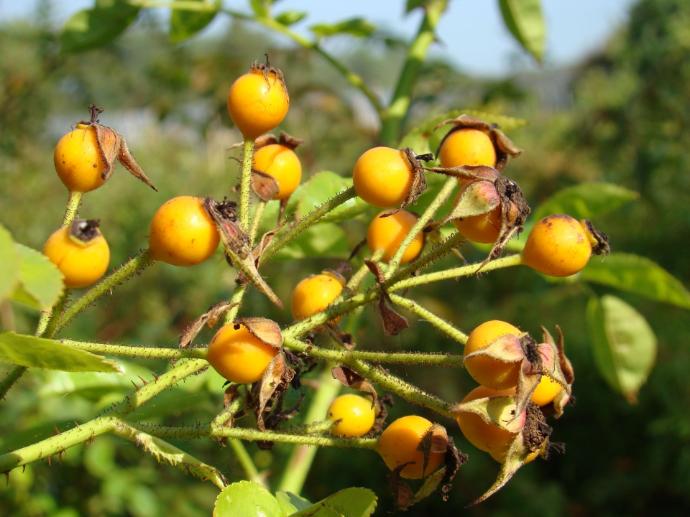
R. multiflora var. cathayensis : clusters of tiny yellow balls.
-
R. roxburghii ‘Lampion’ : chestnut-shaped with a fruity scent.
-
R. rugosa and cultivars: large, fleshy hips, excellent for eating.
Each has its own character: from refined elegance to bold giants of fruit.
3. How to Get Them in Your Garden
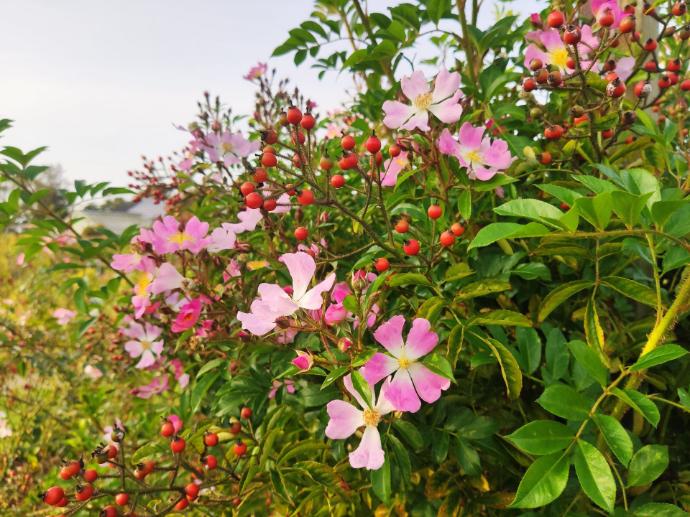
Leave some flowers: the finest hips come from the first bloom. Don’t cut everything; allow some flowers to ripen into fruit.
Combine with repeat flowering: removing only part of the flowers gives you both hips and rebloom on the same plant.
Placement: plant hip roses where you’ll see them, along a path or near a window, so you can enjoy them even on rainy days.
 '
'
4. From Garden to Kitchen
Beyond beauty, rose hips also have flavour.
-
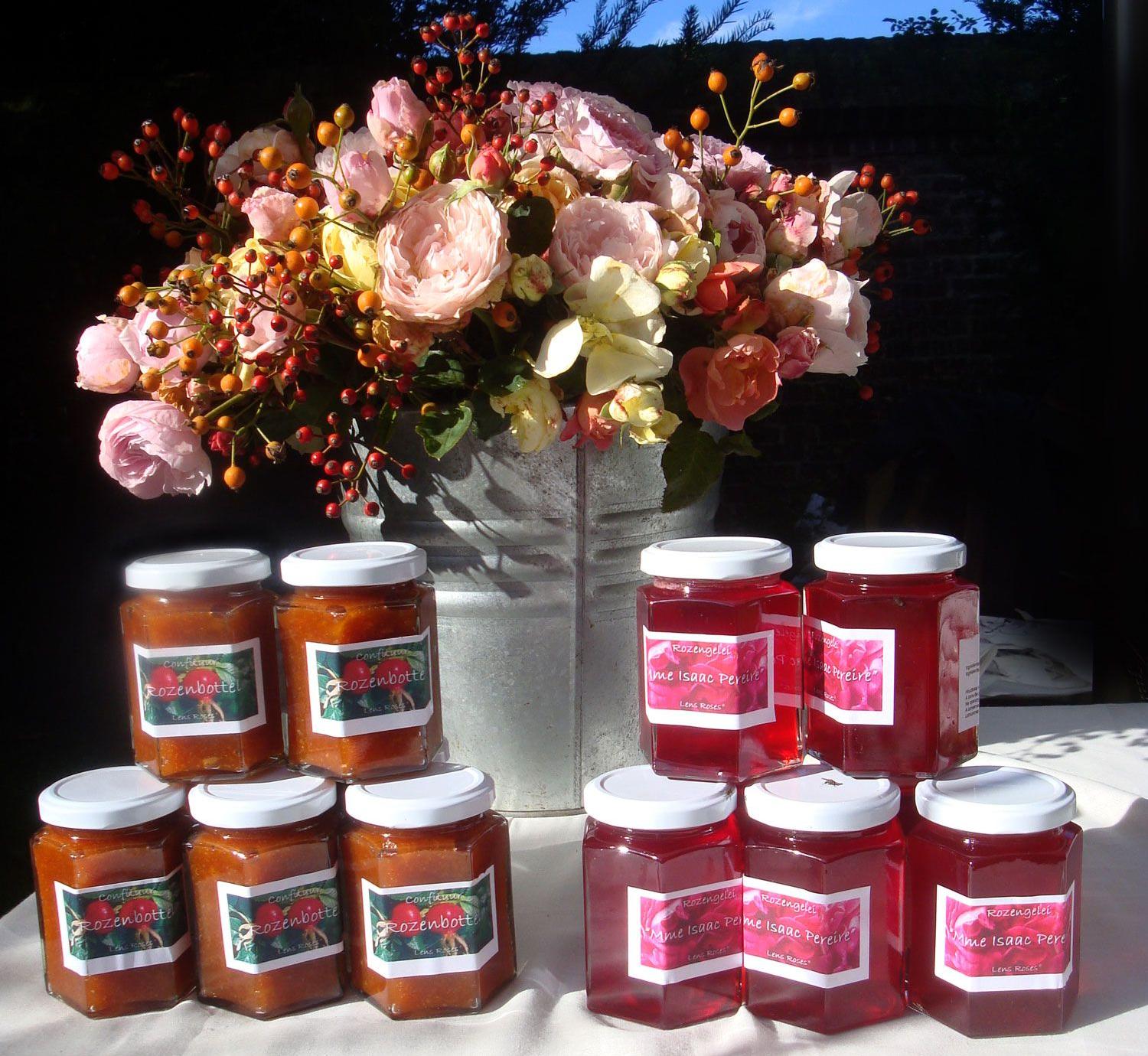
For jam: Rosa rugosa and Rosa x pisocarpa give large, sweet hips easy to process.
-
For tea or chutney: R. canina and R. rubiginosa are classics.
-
For creative uses: R. roxburghii 'Lampion' works well for candying or other kitchen experiments.
Practical tips:
-
Harvest when hips are richly coloured and slightly soft.
-
Remove hairs and seeds, as they can irritate.
-
Store by drying or freezing as a puree.
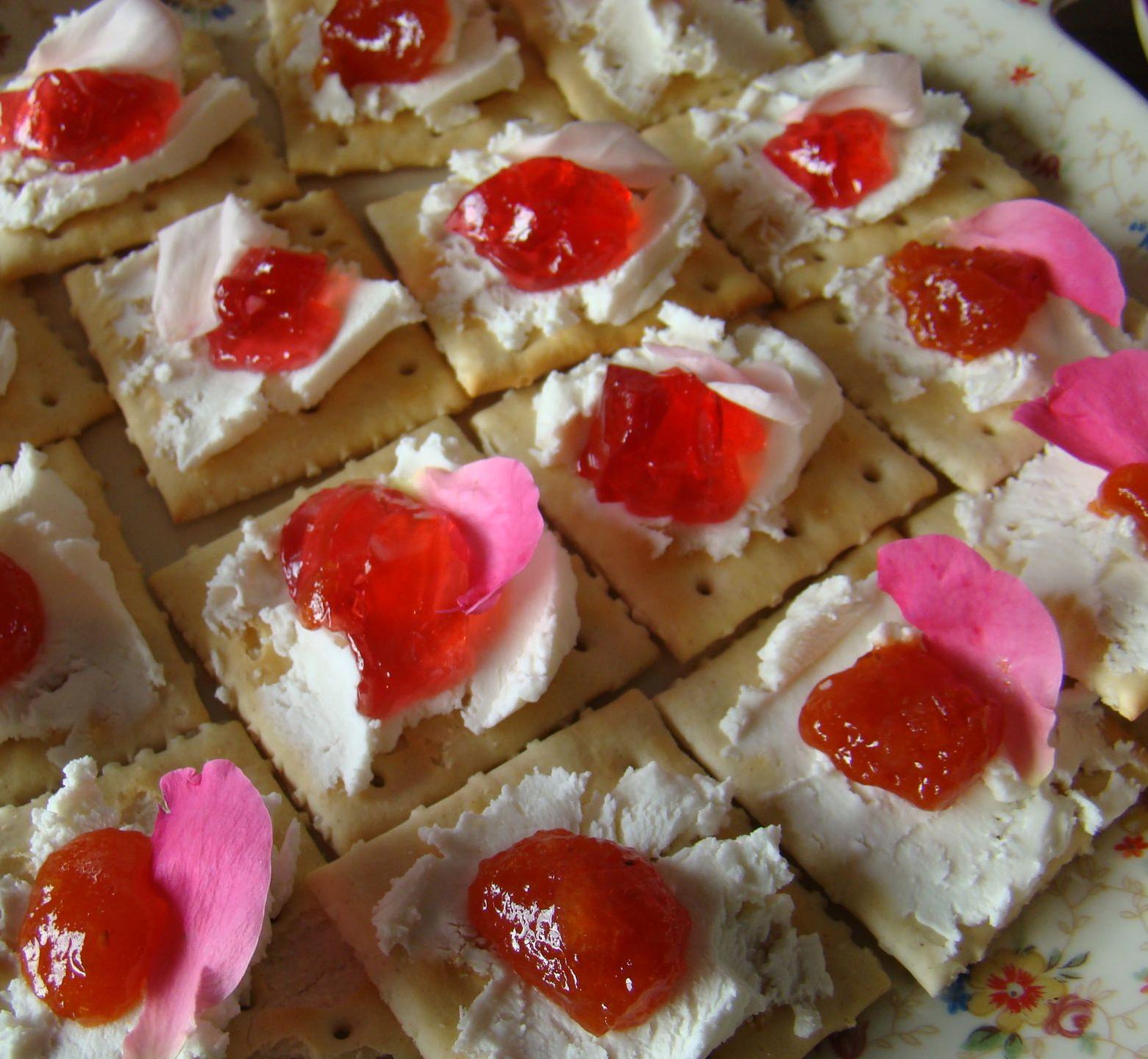
Tasty idea: rose hip jam (R. rugosa) paired with rose petal jelly — delicious with goat cheese on toast.
Conclusion
The flower may fade, but the hip stays true to the shrub. Sturdy, healthy, and brightly coloured: as if the rose wants to keep telling its story.
👉 Come and discover which roses can brighten your garden in autumn and winter.